
First Steps into Safe Wild Swimming
Start Low, Finish High on Confidence
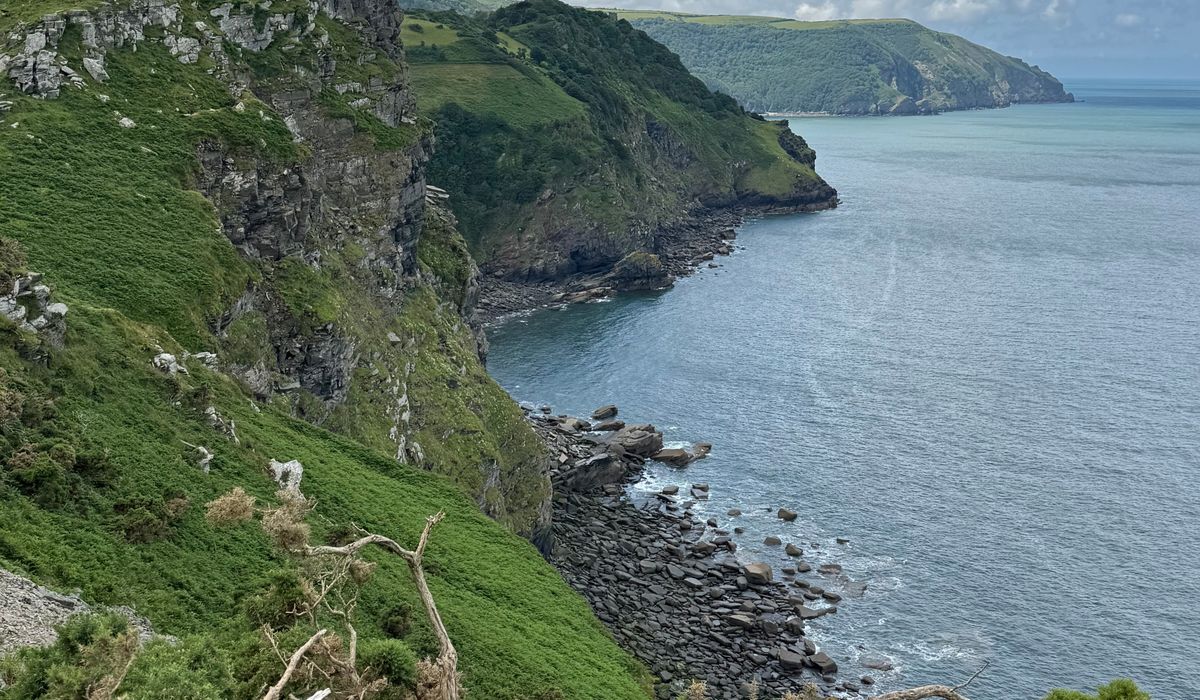
The Lake District rewards walkers who begin modestly. A fell walk does not have to mean a long, steep day with a summit lunch and aching knees; it can be an hour's gentle climb to a viewpoint, a lakeshore circuit under wide skies, or a short track that ends at a quiet tarn. For anyone new to upland walking, the aim of the first few outings is simple: get used to rough ground, learn how long you take to cover a kilometre uphill, and finish with energy to spare. Pick low-level trails with obvious paths, and you will be rewarded with sweeping views across classic British upland scenery without ever feeling out of your depth.
The golden rule is to build gradually. Add a little height and distance each time, and within a season you will be striding up properly rocky ridges without a second thought.
What to Wear and Carry
Fell weather changes faster than the forecast suggests, so dress for a day that might turn wet and windy even in July. Denim and cotton are miserable once damp; synthetic or wool layers keep you warm when you sweat.
- Footwear: walking boots or sturdy fell shoes with deep tread. Trainers will slip on wet grass and stone.
- Waterproofs: a jacket and over-trousers that live in your pack all year round.
- Layers: a base layer, a fleece or synthetic mid-layer, and a spare warm top.
- Hat and gloves: lightweight ones weigh almost nothing and save a cold summit.
- Water and food: at least one litre per person, plus sandwiches, flapjack or fruit.
- Paper map and compass: phones lose signal and batteries die. Know how to use both, even roughly.
- Head torch, small first-aid kit, and a charged phone in a waterproof pouch.
Five Gentle Fells and Low-Level Trails to Try
These routes offer clear paths, modest height gain and generous views — ideal first outings.
- Orrest Head, Windermere: around 1.5km each way with roughly 100 metres of ascent. A well-made path climbs through woodland to a viewpoint over Windermere and the fells beyond. Allow an hour.
- Latrigg, near Keswick: from the high car park at Gale Road, a gradual track gains about 100 metres in 1.5km. The view down Derwentwater is one of the finest short rewards in the Lakes.
- Tarn Hows circuit: a 2.5km waymarked loop on mostly level ground around a handsome tarn, with low fells rising on every side. Excellent in autumn.
- Buttermere lakeshore path: a 7km circuit of the lake, nearly flat, taking two to three hours. There is a short tunnel section and a few rocky steps to keep it interesting.
- Aira Force and Gowbarrow Fell: start with the waterfall, then follow the path upwards for about 350 metres of ascent over 4km. Turn back at any point; the views over Ullswater open up quickly.
Navigating Without a Signal
Valleys swallow mobile coverage, and a wrong turn on a featureless hillside can add hours. Before you set off, read the map and pick out three or four landmarks you expect to pass: a bridge, a wall corner, a plantation edge. Fold the map to the section you need and keep it in a pocket rather than the bottom of your rucksack.
Follow waymarked paths where they exist, close every gate behind you, and give grazing sheep and cattle plenty of room — particularly if you have a dog, which should be kept on a lead around livestock and during nesting season. If the path fades, stop, look back the way you came, and check your position before pushing on. Turning around is a skill, not a failure.
Weather, Ground and Timing
Check the mountain forecast the night before and again in the morning. Wind is the underestimated danger on the fells: what feels breezy in the car park can be enough to knock you off balance on an exposed ridge. Low cloud, heavy rain and winter snow all argue for a lower route or a different day.
Start early. Parking fills fast at weekends and in school holidays, and afternoon light fades quickly between October and March. Tell someone your route and expected return time, and carry a little more food and water than you think you need. Underfoot, expect boggy patches, loose stone and slick rock after rain — take shorter steps on descents and use your hands on scrambly sections.
Building Up to a Bigger Day
Once a 3km walk with 150 metres of ascent feels comfortable, nudge it upwards: add a few hundred metres of distance, then another 100 metres of height. A route such as Cat Bells, above Derwentwater, makes a fine next step at 451 metres, with a short, steep pull and a hands-on final section that is friendly rather than frightening.
Keep a simple note of what you walked, how long it took and how you felt. That record will tell you more about your readiness for bigger fells than any guidebook grade. Progress slowly, enjoy the long views on the way up, and the Lake District will keep giving you grander days for years.
LEAVE A COMMENT