
Tidal Pools and Sheltered Sea Swimming Spots
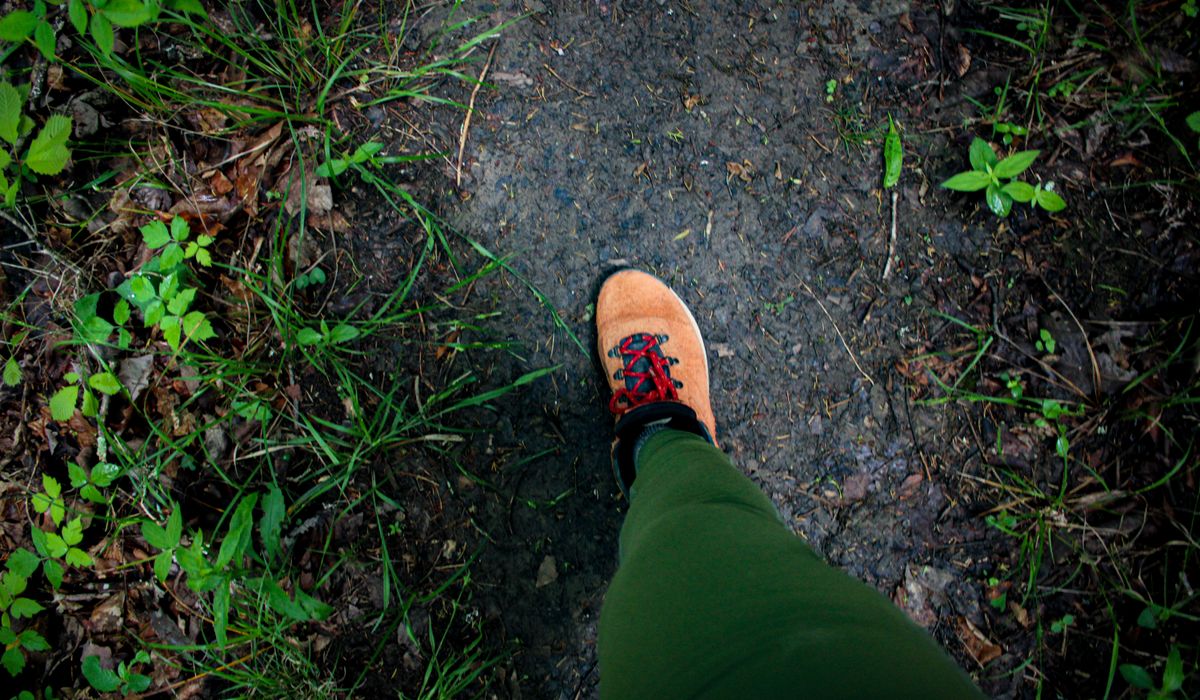
Why the Market Town Makes the Perfect Trailhead
A market town gives you a car park you can find without an argument, a bench to lace your boots on, and a café within four hundred yards of the finish line. That last point matters more than most walking guides admit. A half-day route that ends beside a tea room, a church porch and a row of independent shops feels like a proper day out rather than a slog across two fields and back to a lay-by.
There is a practical reason these towns work so well, too. Historic market towns grew up around river crossings, old droving routes and packhorse tracks, which means the footpath network was there centuries before anyone thought of walking for pleasure. You are rarely more than a mile from a right of way, and the lanes between the fields were laid out for carts rather than cars, so they are wide, well drained and pleasantly empty.
Reading the Map Before You Go
An Ordnance Survey Explorer sheet at 1:25,000 is still the gold standard for a route like this. Footpaths appear as green dashes, bridleways as green crosses, and quiet lanes are drawn clearly enough that you can plan a loop which barely touches a road. Treat the following as your building blocks:
- Footpaths — walkers only, often squeezed through stiles and kissing gates. Frequently the shortest option and almost always the muddiest.
- Bridleways — open to walkers, cyclists and horse riders. Generally wider, better drained and kinder underfoot in winter.
- Byways and quiet lanes — the connective tissue that turns two separate paths into a satisfying circle.
- Riverside meadows and old railway lines — flat, reliable, and usually the prettiest way in and out of town.
A good circular is a patchwork, not a single path: footpath uphill, bridleway across, lane home. Where you have a choice, walk the tarmac stretches first thing and save the field paths for the return leg, when tired legs appreciate soft ground.
Three Half-Day Loops to Build a Trip Around
Every region has its own version of this route, but the shape rarely changes: roughly five to seven miles, two to three hours of walking, and a town centre at both ends. These three are worth planning a weekend around.
- Faversham, Kent — head out along the Saxon Shore Way through grazing marsh, then loop back through orchards and the old gunpowder works. Flat, breezy and wonderful for birds. Around six miles.
- Lymington, Hampshire — pick up the Solent Way towards the marshes, follow the seawall east, then return on lanes past the saltings. Watch the tide tables before you set off, as one section is genuinely tidal.
- Arundel, West Sussex — climb through the parkland above the town for views across the Arun valley, then descend to the river and follow it back beneath the castle walls. A steady pull for the first mile, then easy going.
In each case the route is waymarked, but the junctions in the middle of a field are where people go wrong. Carry the map, not just the phone.
Timing, Kit and the Mud Question
A half-day route should mean two to three hours of actual walking. At a comfortable three miles an hour, that is six to nine miles, and you should add a third of the time again for stiles, gates, photographs and the inevitable stop to check whether that really was the turn. Start early, or start after lunch — but do not start at one o'clock and expect to be back for a leisurely browse of the shops.
- Footwear — waterproof boots from October to April, trail shoes in a dry summer. Ankles will thank you on rutted bridleways.
- Layers and a shell — coastal market towns sit close to weather that changes faster than the forecast admits.
- Water and a snack — a village shop may be shut, and a pub may be a mile off route.
- A paper map and a compass — phones die, and field boundaries give poor signal.
- A head torch in winter, because a route that took two hours in June can take three in December.
Mud is the honest price of a British field path. If a bridleway looks churned, take the parallel footpath — or accept wet feet and enjoy it.
Finishing Well: Cafés, Churches and Shops
The reward for a circular walk is arriving back somewhere with a bit of life to it. Build half an hour into your plan at the end.
Church towers are worth a look even if you are not religious — many hold leaflets on local history, and the porches make excellent shelter if the rain arrives early. Independent bakeries and delis near the market square tend to be busiest between eleven and two, so time your finish either side of the rush if you want a table. And if you are making a day of it, the walk itself is the exercise and the town is the reward: a browse through a bookshop, a pint by the river, a bag of something still warm from the oven.
One last habit worth adopting. Before you leave the car park, note the closing time of the car park itself, not just the shops. There is nothing quite so deflating as finishing a beautiful six-mile loop to find a barrier down and a fine on the windscreen.
LEAVE A COMMENT