
Daypacks for Long Coastal and Hill Walks
Why Rockpooling Is the Perfect British Seaside Adventure
There is something quietly magical about watching a child crouch over a pool of seawater, utterly absorbed by a scuttling crab or a darting blenny. Rockpooling is one of the few outdoor activities that costs nothing, works on almost any British beach with a rocky shore, and can fill an hour or a whole afternoon. It also happens to be one of the best introductions to marine wildlife a child can get — no binoculars required, no long hike, just a net, a tub and a sense of curiosity.
Britain has some of the richest rocky shore habitat in Europe. From the granite coves of Cornwall to the basalt platforms of the Scottish coast, our tidal pools teem with life. But these are fragile places, and the difference between a brilliant rockpooling trip and a damaging one comes down to a few simple habits.
When and Where to Go
Timing matters more than location. The best rockpooling happens in the two hours either side of low tide, and the lowest tides of the month — around the new and full moon — expose the greatest variety of pools. Check a local tide table before you set out, and always plan to leave the shore while the tide is still falling or well before it turns. A rising tide on a rocky coast can cut off access surprisingly quickly.
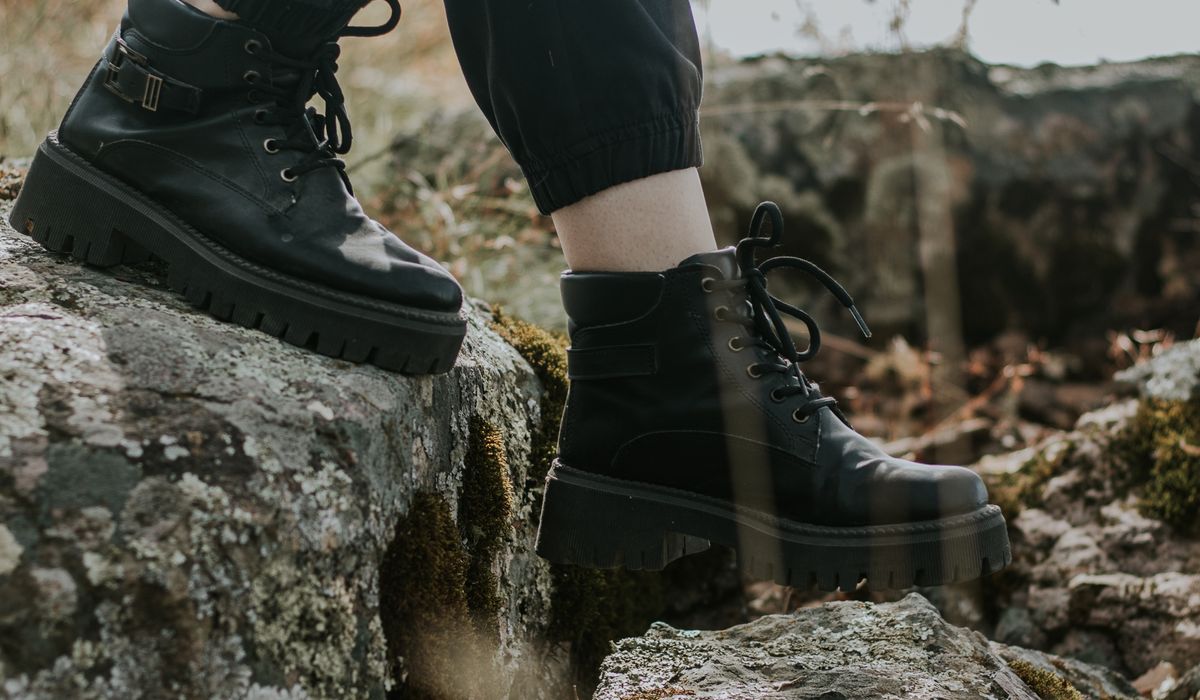
Safety comes first, so pick a beach with easy access down to the shore and no cliffs or fast currents nearby. Look for rocky platforms with plenty of shallow pools and seaweed cover, which is where most creatures shelter. Sandy beaches with a few scattered boulders can work too, but the classic rocky shore will always be richer. Tell someone where you are going, wear grippy footwear — wet rock and seaweed are far more slippery than they look — and keep an eye on the sea at all times.
What to Take (and What to Leave Behind)
You need remarkably little kit, and the simpler the better. A small, shallow net and a clear plastic tub are all that is really required.
- A small net with a soft mesh, not a rigid shrimp net with a hard frame, so creatures are not crushed.
- A clear plastic tub or a clean ice-cream container, filled partway with seawater from the same pool.
- Wellington boots or old trainers with grip. Bare feet are a bad idea on barnacle-covered rock.
- A magnifying glass or a clean plastic spoon for looking closely without handling.
- A sun hat and sunscreen — hours pass quickly when you are bent over a pool.
Leave behind glass jars, which heat up fast and can kill small creatures, and anything with a sharp metal hook. And crucially, leave behind the urge to collect. Everything you find goes back where it came from.
How to Search Without Causing Harm
Approach each pool slowly. Shadows and sudden movement send most creatures into hiding, so crouch down and stay still for a minute before you start looking. Rather than sweeping the net through the water, use it gently to lift a little seaweed or to guide a creature into the tub. A plastic spoon is often better than a net for small, delicate animals.
When you do catch something, move it carefully into the tub with a little of its own pool water. Keep the tub in the shade and never leave it in direct sun, which can overheat the water within minutes. Handle creatures as little as possible — a child's warm, dry hands are stressful to a cold-blooded animal — and always wet your hands with seawater first if you must touch something. Never pick up a crab by its claws or a fish by its tail.
And when you have finished looking, the most important rule of all applies: return every rock exactly as you found it. Turning a rock over exposes the animals beneath to light and predators, and the delicate community on its underside can take years to recover if it is left disturbed. Lift it, look, then place it back the same way up and in the same spot, so the damp underside stays damp.
What You Might Find
British rockpools are astonishingly generous. In a single afternoon you might spot:
- Common shore crabs in every shade of green, brown and red, hiding under weed and stones.
- Hermit crabs dragging borrowed shells across the pool floor.
- Beadlet anemones, which look like dark red blobs out of water but open into flower-like tentacles when submerged.
- Limpets and periwinkles clinging to rock, plus the empty whelk shells that often get mistaken for living creatures.
- Blenny and goby, small fish that dart for cover the moment your shadow falls on the water.
- Starfish, sea urchins and the occasional velvet swimming crab if you are lucky and looking carefully.
Encourage children to identify what they find, but treat naming as a bonus rather than the goal. The watching is the point.
Making It a Habit
Rockpooling rewards returning to the same shore through the year. Pools change with the seasons, and the creatures you see in January are often quite different from those in July. Keep a simple notebook or take photographs instead of taking specimens, and let children draw what they saw when you get home.
Britain's rocky shores are under real pressure from pollution, coastal development and the effects of a warming climate. Gentle, careful rockpooling — small nets, plastic tubs, hands that put everything back where it belongs — helps children fall in love with these places, and children who love a shoreline are the ones who grow up protecting it. Take only photographs, leave only footprints, and turn every stone back the way you found it. That is the whole art of it.
LEAVE A COMMENT