
Cold Water Safety for Open Water Swimmers
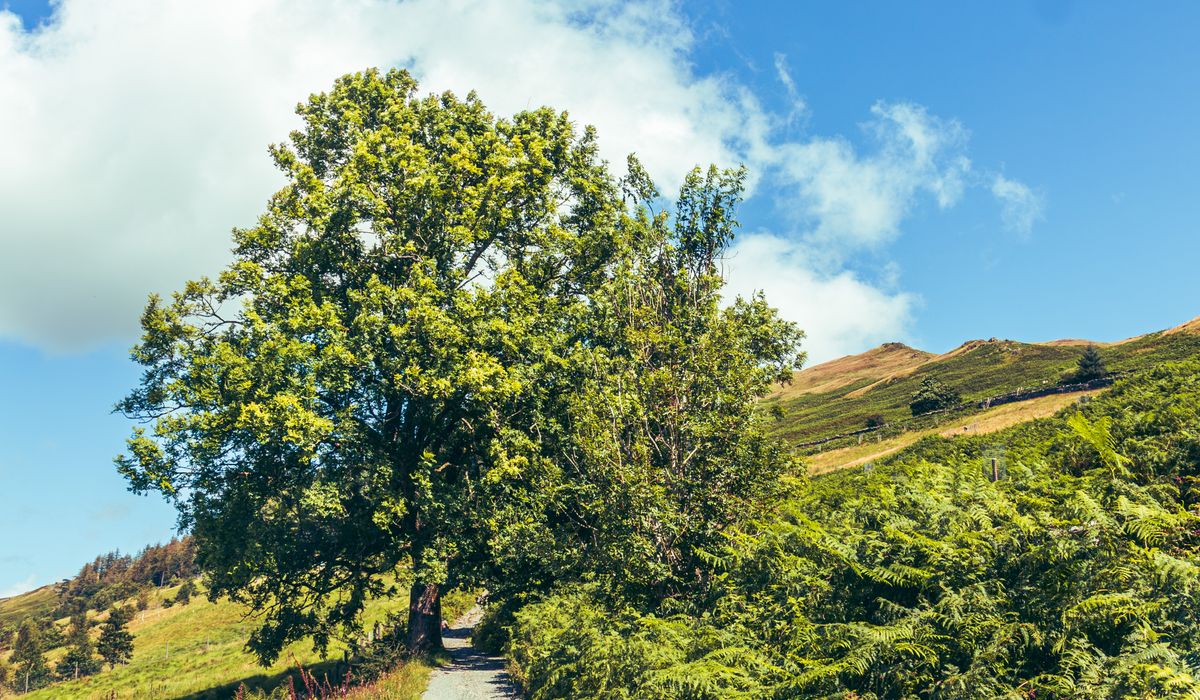
Autumn's Case for Woodland Over Coast
By mid-October, many of us turn our backs on the shoreline. The light softens, the wind sharpens, and the coast can start to feel like hard work. Woodland offers something different: shelter, stillness, and a colour show that works beautifully even in drizzle. Fallen leaves lay a golden carpet over the path, and the summer crowds have thinned to a handful of dog walkers and the occasional deer stalker. If you want a quieter day out with real atmosphere, point your boots inland.
The trick is to choose woods that actually deliver colour. Not every plantation turns gold. Ancient broadleaved woodland, or a mixed native wood with a decent proportion of beech, oak and birch, will give you the combination of warm canopy and crisp leaf litter that makes an autumn walk memorable.
Beech, Oak and Birch: Where the Colour Comes From
Three trees do the heavy lifting in a British autumn.
- Beech — the star of chalk and limestone country. Look for hangers on escarpments where the trees cling to steep slopes, their leaves turning copper, bronze and burnt orange. Beech holds its leaves well into winter, so the litter builds into deep drifts. It is beautiful and genuinely slippery, especially on wet chalk.
- Oak — the tree of heavy clay and old parkland. It turns later, shifting through russet and dull brown rather than a single flash of gold. Many oaks keep dead leaves on the branch through winter, which gives woodland a lovely hushed quality and lets you pick out individual trees against a grey sky.
- Birch — pure, clean yellow, often on acid heathland edges and upland fringes. Birch is the fastest to turn and the fastest to fall, so timing matters more than it does with the others. When low sun catches a birch stand from behind, the trunks glow white and the canopy looks lit from within.
Supporting cast matters too: field maple turning butter yellow, hazel going soft gold, sweet chestnut with its spiky husks underfoot, and ash often dropping early with little ceremony. A mixed wood gives you a longer window than a single-species block.
Timing the Turn
Autumn runs roughly from north and west to south and east, and from high ground to low. As a broad guide:
- Northern Scotland and upland areas: mid-September to early October
- Northern England, Wales and the Pennines: early to mid-October
- Midlands, East Anglia and lowland Wales: mid to late October
- Southern England and sheltered coastal valleys: late October into mid-November
The strongest displays follow a pattern of cold, clear nights and bright, still days. Warm, wet autumns bring muted colour; a gale can strip a wood in a single afternoon. Check local reports or simply look up at the canopy before committing to a long drive. Birch peaks first, beech next, oak last to let go.
Underfoot and Overhead
Autumn woodland is a different surface to summer woodland. Wet leaves on chalk or clay are greasy, and on stone steps they behave like ice. Roots, flint nodules and half-buried branches hide under the litter, so watch your footing on descents. Walking poles are genuinely useful on steep hanger paths, and a headtorch is worth carrying from October onwards.
Many woods are working landscapes. You may meet forestry operations, timber stacks, brash piles and signed diversions. Keep clear of machinery, do not climb on stacks, and follow any temporary closures without argument. Streams and becks run higher after autumn rain, and boardwalks can be slick, so treat water crossings with respect.
Kit for Shorter, Damper Days
Under a closed canopy it can be half an hour darker than the open field, and late October sunsets come in around half past four, so plan on finishing early. A practical kit list:
- Waterproof jacket and trousers, plus a warm mid-layer — shelters are rare and damp air chills quickly
- Boots with deep tread, and spare socks in a dry bag
- Headtorch with fresh batteries, even for a two-hour walk
- Paper map and compass, plus a charged phone kept dry
- Flask, snacks, hat and gloves, and a small first aid kit
Leave a route plan with someone at home, and remember that hill fog forms fast on wooded escarpments, turning familiar paths into guesswork.
Quieter Choices and Woodland Etiquette
The best colour is often found on a grey Tuesday. Rain brings out the scent of leaf litter and damp bark, and glossy wet leaves look richer than dry ones. Avoid the famous honeypot woods at weekends; instead, pick a smaller ancient wood a valley over, where you may have the paths to yourself.
Be a considerate visitor. Keep dogs under close control or on a lead during the October deer rut and wherever livestock graze. Stay on waymarked paths to protect woodland flora, and leave fungi, fallen wood and conkers where they lie — they belong to the wood's own cycle. Take litter home, leave gates as you find them, and park so farm vehicles and timber lorries can pass. Autumn woodland rewards the patient visitor, so slow down, listen for jays caching acorns and the drumming of woodpeckers, and enjoy the gold under your feet while it lasts.
LEAVE A COMMENT